Showing posts with label Ingredients. Show all posts
Showing posts with label Ingredients. Show all posts
Friday, May 18, 2012
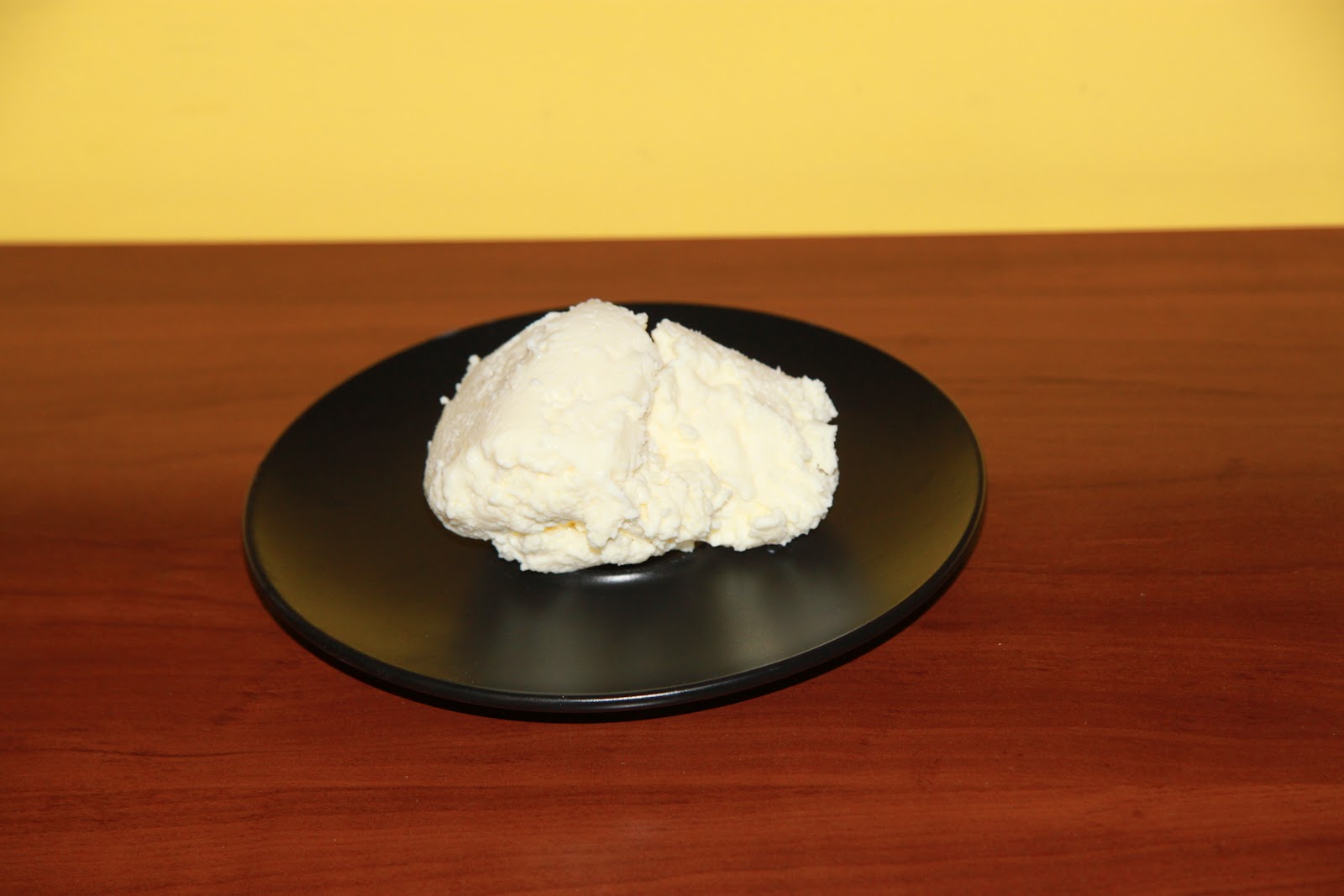
Kajmak


Saturday, April 14, 2012
Extra Virgin Olive Oil

Olive oil is an oil obtained from the olive.The olive tree is native to the Mediterranean basin. In the Eastern Mediterranean olive oil was being extracted from olives for more then 5000 years. Olive oil, being almost pure fat, is dense in calories yet healthy, without adverse health effects. The grades of oil extracted from the olive fruit can be classified as virgin and refined. Virgin means the oil was produced by the use of physical means and no chemical treatment. Refined means that the oil has been chemically treated to
neutralize strong tastes and neutralize the
acid content. Refined oil is commonly regarded as lower quality than virgin oil. Oils with the retail labels extra virgin or virgin olive oil cannot contain any refined oil. Keep in mind that refined is better cooking, and virgin is better to use it fresh, not heated. I usually use domestic (not labeled) extra virgin olive oil that I buy directly from people who make it in Croatia (Dalmatia) or Greece. It usually have richer flavor and intense darker color then ones you can find in a supermarkets. I highly recommend that whenever you have chance to visit any Mediterranean country like Italy, Croatia, Greece, Spain grab some domestic olive oil. It is just great.
Health
Olive oil contains a wide variety of valuable antioxidants that are not found in other oils. Hydroxytyrosol
is thought to be the main antioxidant compound in olives, and believed
to play a significant role in the many health benefits attributed to
olive oil. Olive oil has a
protective effect against certain malignant tumors in the breast,
prostate, econometric and digestive tract. Olive oil is considerably rich in monounsaturated fats and is linked with a reduction in the risk of coronary heart disease. Eating about 2 tbsp
(23 g) of olive oil daily may reduce the risk of coronary heart disease
due to the monounsaturated fat in olive oil. To achieve this possible
benefit, olive oil is to replace a similar amount of saturated fat and not increase the total number of calories you eat in a day.Olive oil has been known for generations not only for its healing
qualities but also as a natural, deep penetration moisturizer,
regenerating skin cells and softening the tissue. In the summertime when your skin is exposed to the sun more, spraying olive oil on your skin can feed it and keep it healthy.
Nutrition Facts
| Serving Size 1 tbsp | |||||
| Amount Per Serving | |||||
Calories from Fat 119
Calories 119
|
|||||
| % Daily Values* | |||||
| Total Fat 13.5g | 21% | ||||
| Saturated Fat 1.864g | 9% | ||||
| Polyunsaturated Fat 1.421g | |||||
| Monounsaturated Fat 9.85g | |||||
| Cholesterol 0mg | 0% | ||||
| Sodium 0mg | 0% | ||||
| Potassium 0mg | |||||
| Total Carbohydrate 0g | 0% | ||||
| Dietary Fiber 0g | 0% | ||||
| Sugars 0g | |||||
| Protein 0g | |||||
|
|||||
| |||||

Thursday, April 5, 2012
Broccoli

HISTORY:
Broccoli is vegetable which begin its trip to plates all around the world from Italy. The word broccoli, is derived from the Italian brocco and the Latin bracchium meaning arm or branch. Broccoli is a cultivar of wild cabbage, originated along the northern and western coasts of the Mediterranean, where it was apparently domesticated thousands of years ago. That domesticated cabbage was eventually bred into wildly different cultivars, including broccoli, cauliflower, cabbage, kale, kohlrabi, and brussels sprouts, all of which remain within the same species.
HEALTH:
Broccoli is great source of vitamin C, iron, fiber, vitamin A, calcium, zinc, carotene, magnesium, vitamin B, vitamin D. It contains antioxidants that prevent certain types of cancer, along diabetes, heart disease, and high blood pressure.
NUTRITION FACTS:
RDA/CUP

vitamin C 135.2%
vitamin K 115.5%
folate 14.3%
vitamin A 11.3%
manganese 9.5%
fiber 9.4%
tryptophan 9.3%
potassium 8.2%
vitamin B 68%
vitamin B 26.4%
molybdenum 6%
phosphorus 6%
vitamin B 55.2%
protein 5.1%
magnesium 4.7%
calcium 4.2%
choline 4%
vitamin B 14%
vitamin E 3.5%
selenium 3.2%
vitamin B 32.8%
TIP:
Broccoli is eatable fresh and it is great in salads. I prefer it blanched because its green color become more intensive. But remember, when blanching broccoli, do not trough water away, use it later for soup because lot of good stuff from broccoli ends up in it ;)
Subscribe to:
Posts (Atom)